 +254 722 480108

The Nature of Luck in Casino Games
In the realm of casino gaming, luck is often viewed as a mysterious force that can dramatically influence the outcome of a game. Unlike skill-based games where strategy and experience provide a tangible advantage, many casino games rely heavily on chance. For example, in games like slots and roulette, the results are determined by random number generators or spinning wheels, leaving players at the mercy of fortune. Many players turn to the best online casino australia to experience this thrill, as the inherent unpredictability shapes how players approach their gaming strategies, often leading them to adopt various methods based on their understanding of luck.
Luck’s role extends beyond just the outcome of each individual game; it also affects the player’s mindset and approach. Players may believe in “lucky streaks” where they feel a certain game is working in their favor, or conversely, they may hit a “bad streak,” prompting them to alter their strategies significantly. These psychological elements can cause players to take risks they might otherwise avoid or to play conservatively when they perceive that luck is not on their side. Hence, understanding luck in this context is crucial for developing a coherent strategy.
Moreover, luck can influence the social dynamics of casino gaming. Players often share stories about their good or bad luck, creating a communal atmosphere where luck becomes a topic of conversation. This not only enhances the social experience of gaming but can also lead to a collective optimism or pessimism that permeates the room. Ultimately, luck is not just a concept in gambling; it directly influences gameplay and the overall casino experience.
Strategies Influenced by Luck
When formulating strategies for playing games in a casino, players must consider how luck interacts with their decisions. While it is tempting to devise strategies rooted solely in statistical probabilities, the unpredictable nature of luck means that players often have to adapt rapidly. For instance, card games such as blackjack require players to employ strategies based on both skill and luck, such as when to hit or stand depending on the dealer’s visible card and their current hand. Even the most seasoned players acknowledge that luck can turn the tide at any moment, leading to unexpected victories or defeats.
Additionally, some players adopt a betting strategy that incorporates the element of luck into their gameplay. Techniques such as the Martingale system advocate for increasing bets after losses, banking on the notion that a win will eventually occur. While this can be viewed as a strategic response to luck’s unpredictable nature, it also carries significant risks, potentially leading to substantial financial loss if the streak of bad luck continues. Consequently, players must balance their strategies with an awareness of the potential influence of luck.

Moreover, understanding the volatility of each game can help players shape their strategies in light of luck. Games with a higher variance, such as poker, may require different approaches compared to games like baccarat where luck plays a major role in determining outcomes with less skill involvement. Therefore, recognizing which games are more susceptible to luck can enable players to tailor their strategies effectively and potentially mitigate losses.
The Psychological Impact of Luck
Luck can significantly impact a player’s psychological state during gameplay. The fluctuation between feeling lucky and unlucky can lead to emotional highs and lows, which may further affect decision-making processes. Players often become overconfident after a few wins, believing that their luck will continue, while others may feel defeated and reluctant to make bold moves after losing sequences. This emotional rollercoaster can overshadow rational thinking, resulting in gameplay that is not grounded in sound strategy.
The phenomenon of “gamblers’ fallacy” exemplifies how players misinterpret luck. This belief suggests that past outcomes influence future events, leading players to think that a win is “due” after several losses or vice versa. This misconception can drive players to continue betting against their better judgment, strictly relying on the assumption that luck must balance itself out over time. Understanding these psychological factors and how they relate to luck is essential for a sustainable gaming strategy.
Furthermore, casinos often exploit the psychology of luck to enhance the gaming experience. They create environments filled with bright lights, celebratory sounds, and encouraging slogans designed to evoke feelings of fortune. This ambiance can lead players to believe they are in a lucky space, which may perpetuate further playing and spending. Recognizing this manipulation can help players maintain clear heads and develop more effective strategies, minimizing the impact of external influences created by the casino atmosphere.
Luck and Game Selection
The selection of games at a casino is vital and is often influenced by how players perceive luck to play a role in those games. Some individuals gravitate towards games with a higher degree of luck, such as slot machines and roulette, where they believe the potential for a big win is greater, despite having less control over the outcome. These games can provide a thrilling experience of anticipation as players wait to see if luck will favor them. In contrast, others may prefer skill-based games like poker or blackjack, where they feel that their decision-making can help sway the odds in their favor.
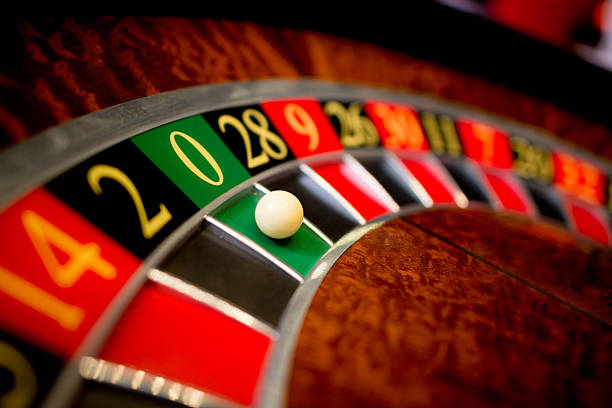
This inclination towards specific types of games also reflects individual attitudes towards risk. Players who embrace luck and are more willing to take chances may prefer games that offer random outcomes, while those who seek to reduce risk may choose games where strategic thinking can mitigate the role of luck. Understanding these tendencies allows players to align their gaming choices with their comfort levels regarding risk and luck, creating a more personalized casino experience.
Moreover, seasoned players often conduct research on different games to gauge the extent to which luck influences the outcomes. They may look for games that have favorable odds and a history of rewarding players more consistently, balancing their desire for luck with strategic considerations. This balance can significantly impact their overall success at the casino, showcasing how integral luck is to the decision-making process when selecting games.
Understanding the Role of Luck in Practice
To fully grasp the role of luck in casino gaming strategies, players need to adopt a holistic view that blends understanding luck with strategic thinking. This means acknowledging that while luck can bring unexpected wins, it can also lead to losses; therefore, players should remain vigilant about how luck affects their strategies. For instance, establishing a budget and adhering to it can help mitigate the risks associated with relying solely on luck while still allowing for the thrills of gaming.
Furthermore, players can benefit from a supportive community that shares experiences related to luck in casino games. Engaging with fellow players can provide insights into how others manage their expectations and strategies regarding luck. They might exchange tips on handling streaks of good fortune or guidance for navigating through periods of bad luck. This sense of community can create a more enriching gaming experience that goes beyond individual gameplay.
Ultimately, success in casino gaming may not solely rely on luck but rather on how well players understand and integrate luck into their overall strategies. By acknowledging luck’s unpredictable nature while also employing skill and strategic thinking, players can enhance their chances of enjoying a fulfilling gaming experience. This understanding fosters a balanced approach that can lead to more enjoyment and potentially greater success at the casino.